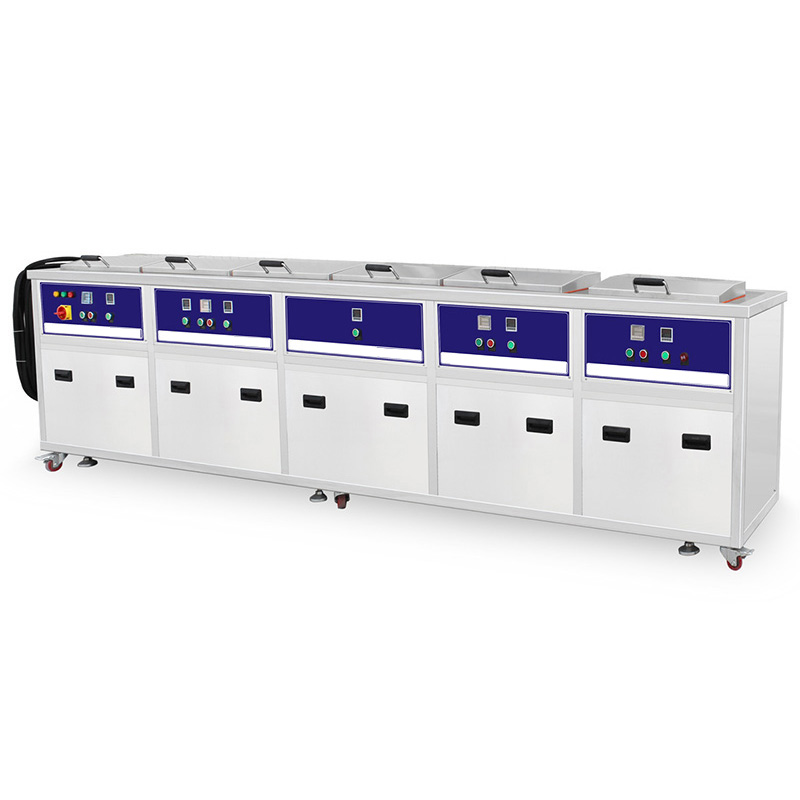
In the realm of industrial maintenance, the challenge of maintaining peak efficiency often leads to overlooked aspects—one of which is the cleaning frequency of industrial parts. Many industries face downtime due to equipment failure caused by neglecting regular cleaning. For example, failure to clean hydraulic systems regularly can lead to increased wear and tear, resulting in a costly repair bill. By understanding the importance of an appropriate cleaning schedule, using an Industrial Ultrasonic Cleaner can significantly extend the life of your components while maintaining performance. Let’s dive into the crucial reasons why cleaning frequency matters.
Understanding the Benefits of an Industrial Ultrasonic Cleaner
Implementing a dedicated cleaning regimen with an industrial ultrasonic cleaner can lead to remarkable benefits. For instance, regular cleaning can reduce maintenance costs by up to 30% over time, as cleaner parts operate more efficiently and are less prone to breakage. Ultrasonic cleaning utilizes high-frequency sound waves to remove contaminants that may remain from conventional cleaning methods, ensuring a 99% removal rate of dirt and grime. Additionally, a study by the Institute of Cleaning Technologies shows that regular cleaning intervals increase equipment lifespan by approximately 25%.
Case Study: Enhanced Performance Through Regular Cleaning
Consider a manufacturing plant that employs an industrial ultrasonic cleaner on its machining parts. After implementing a cleaning process every two weeks, the plant reported a 50% decrease in machine failure incidents. This not only saved on replacement parts but also improved production efficiency, leading to an increase in output by 40%. Additionally, the cleaner parts resulted in a 28% decrease in energy consumption during operations. Such a vivid improvement underscores the significance of cleaning frequency in maintaining industrial components.
Comparison: Regular Cleaning vs. Neglecting Maintenance
The choice between adopting regular cleaning or neglecting maintenance can significantly affect operational efficiency. Regularly scheduled cleaning with tools such as an industrial ultrasonic cleaner ensures that contaminants do not accumulate. In contrast, neglecting this aspect can lead to excessive build-up, resulting in mechanical failures. For example, companies that do not utilize cleaning systems experience failure rates that can be as much as 60% higher than those that implement routine cleaning.
Without regular cleaning, your industrial parts might not only suffer from frequent maintenance checks but also endure premature breakdowns, leading to potential lost revenue and diminished productivity. In scenarios where regular cleaning is practiced, not only do parts remain operational for longer but downtime incidents reduce significantly—by an estimated 45% based on industry reports.
Conclusion: The Value Proposition of Cleaning Frequency
In summary, understanding why cleaning frequency matters for industrial parts is crucial for maintaining operational effectiveness. Regular use of an industrial ultrasonic cleaner can lead to reduced costs, enhanced performance, and improved overall efficiency. By recognizing the relationship between cleaning frequency and equipment durability, organizations can make informed decisions that promote long-term sustainability and profitability. For industries looking to enhance their maintenance regimes, employing solutions like RedCrown’s industrial cleaning systems could be pivotal.
CTA: Explore RedCrown's Industrial Ultrasonic Cleaner
If you are interested in optimizing your industrial maintenance and learning more about efficient cleaning solutions, consider trying RedCrown’s industrial ultrasonic cleaner. With proven results and maximum effectiveness, enhance your cleaning process today! Check out our product!
FAQs
How often should I clean industrial parts?
The frequency of cleaning industrial parts typically depends on usage, contamination levels, and specific industry standards. However, a bi-weekly cleaning schedule is recommended for optimal performance.
What benefits does an industrial ultrasonic cleaner provide?
An industrial ultrasonic cleaner removes contaminants effectively, increases equipment lifespan by approximately 25%, and minimizes maintenance costs by up to 30%.
Can failing to clean properly impact productivity?
Yes, neglecting cleaning can lead to increased breakdowns and downtime, which can decrease productivity by as much as 45%. Regular cleaning helps maintain operational efficiency.