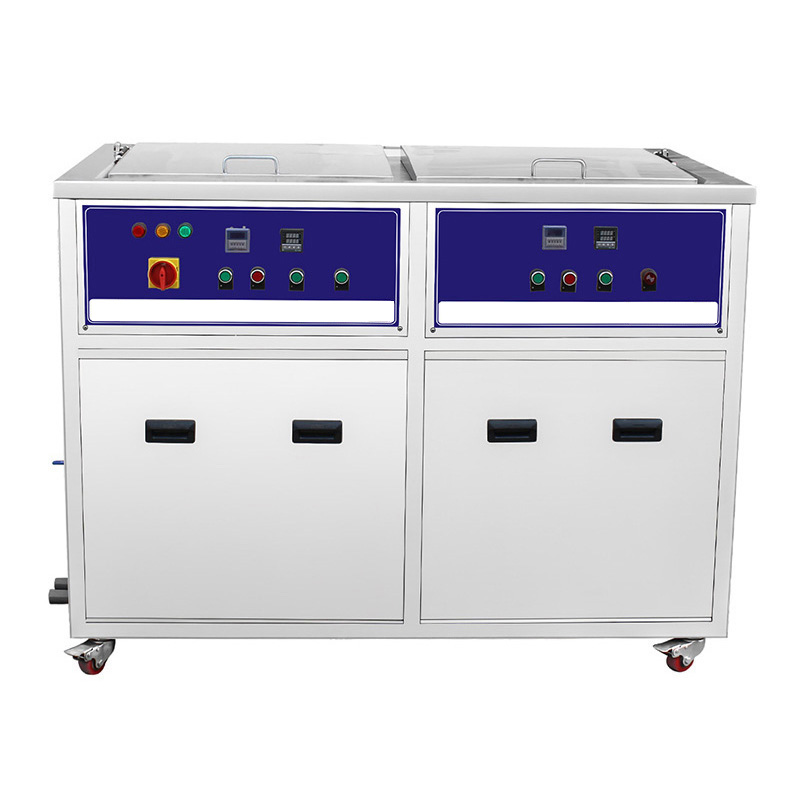
1. Understanding Industrial Ultrasonic Cleaners
What is an Industrial Ultrasonic Cleaner?
An industrial ultrasonic cleaner is a machine that uses high-frequency sound waves (ultrasonics) to agitate a fluid, creating cavitation bubbles that effectively clean surfaces and components. This technology is particularly effective for intricate and delicate items that are hard to clean with traditional methods.
Core Parameters of Industrial Ultrasonic Cleaners
- Frequency Range: 20 kHz to 40 kHz
- Tank Capacity: 1 to 200 liters
- Heating Capability: Optional from 30°C to 80°C
- Power Output: 100W to 6000W
- Control Features: Digital and manual controls
2. Traditional Cleaning Methods Overview
What are Traditional Cleaning Methods?
Traditional cleaning methods include manual scrubbing, soaking in solvents, or employing specialized cleaning solutions. Common tools range from brushes to steam cleaners, depending on the type of item being cleaned. While generally less expensive, these methods can be labor-intensive and less effective for complex geometries.
Core Parameters of Traditional Cleaning Methods
- Material: Typically requires brushes, cloths, or solvents
- Time Efficiency: Varies significantly based on complexity
- Cost: Usually lower initial investment
- Labor Intensity: High due to manual effort
3. Key Differences Between Ultrasonic Cleaners and Traditional Methods
Comparative Analysis
Key differences arise from technology and efficiency:
- Cleaning Efficiency: Ultrasonic cleaners provide thorough cleaning even in tight spaces, while traditional methods often miss spots.
- Labor: Ultrasonic cleaning typically requires less manual interference compared to traditional scrubbing.
- Cleaning Time: Ultrasonic cleaners reduce cleaning time significantly; traditional methods can take more time.
- Safety: Ultrasonic cleaners can reduce the need for harsh chemicals commonly used in traditional methods.
Summary of Advantages and Disadvantages
Understanding the pros and cons helps in decision-making:
- Advantages of Ultrasonic Cleaners:
- Thorough Cleaning:
- Time-Saving:
- Less Manual Effort:
- Disadvantages of Ultrasonic Cleaners:
- Initial Cost:
- Training Required:
- Advantages of Traditional Methods:
- Lower Initial Cost:
- Widely Available:
- Disadvantages of Traditional Methods:
- Time-Consuming:
- Potential Damage:
Capable of cleaning complex geometries.
Fast and efficient cleaning process.
Reduces the need for physical scrubbing.
Higher initial investment compared to traditional methods.
Users may require training on effective operation.
More affordable entry point for basic cleaning tasks.
Common cleaning materials are easily sourced.
Often more time required for effective cleaning.
Risk of scratching or damaging sensitive surfaces.
4. User Experiences and Practical Applications
Battery Life and Stability of Ultrasonic Cleaners
While most industrial ultrasonic cleaners run on electricity, those intended for portable use may use batteries. The battery life typically lasts for a full cycle, around 30-60 minutes, depending on the model. Stability during operation is generally high, with consistent performance across various cleaning tasks.
Who Should Use Industrial Ultrasonic Cleaners?
Industrial ultrasonic cleaners are ideal for:
- Jewelry Manufacturers:
- Automotive Industry:
- Medical Equipment Suppliers:
To clean intricate designs without damage.
To clean precision parts effectively.
To ensure meticulous cleaning of instruments.
5. Conclusion: Choosing the Right Cleaning Method
In summary, when deciding between industrial ultrasonic cleaners and traditional cleaning methods, you must consider your specific needs, budget, and efficiency requirements. Ultrasonic cleaners, such as those offered by RedCrown, excel in areas requiring deep cleaning and precision, while traditional methods may suffice for simpler tasks. For more information on our ultrasonic cleaning solutions, visit RedCrown.