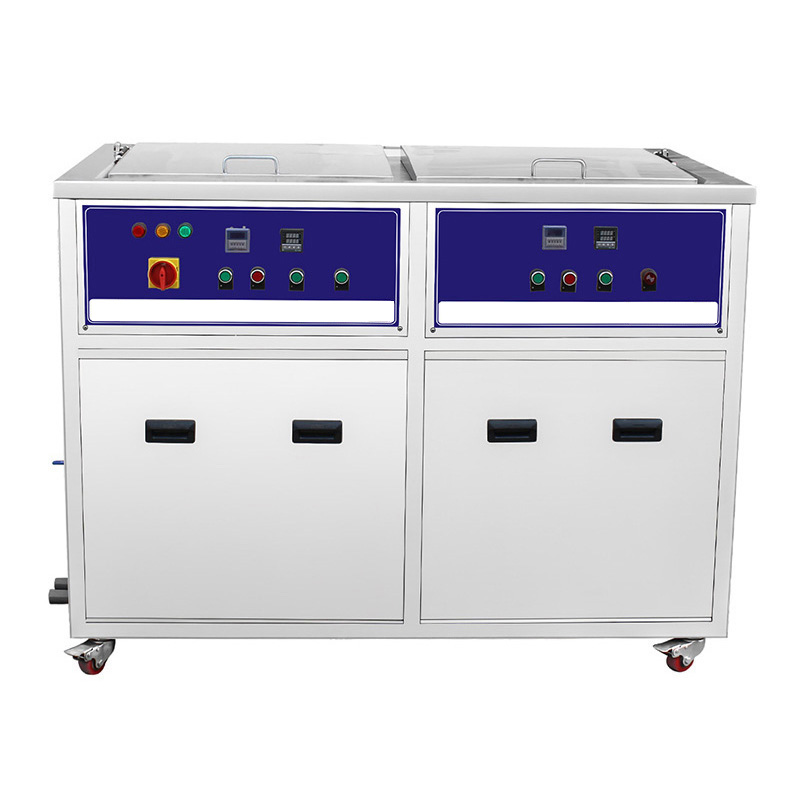
When it comes to maintaining high standards in cleanliness—particularly in industrial environments—finding effective methods to combat oils, grease, and particulate contamination is essential. Ultrasonic cleaners, especially those from RedCrown, offer a scientifically proven solution that streamlines the cleaning process. In this article, I promise to provide you with clear, actionable steps on how to harness the power of Industrial Ultrasonic Cleaners to solve these persistent challenges efficiently.
Understanding the Cleaning Process
Using an industrial ultrasonic cleaner involves several crucial steps that allow for the effective removal of oils, grease, and particulates. The process can be broken down as follows:
- Preparation: Before you begin, assess the contamination level on the items to be cleaned. This step ensures you choose the right solution concentration.
- Choosing the Cleaning Solution: Select a suitable ultrasonic cleaning solution that targets specific contaminants:
- Oil and Grease Removers: Formulated to interact with hydrocarbon substances.
- Particulate Cleaners: Effective for dust and debris removal.
- Setting Parameters: Input the correct settings on your RedCrown ultrasonic cleaner, focusing on:
- Frequency: Typically ranging between 28-40 kHz for optimal results.
- Duration: Clean for at least 10-15 minutes, depending on the severity of contamination.
The Cleaning Operation
Now, let’s dive into the operational steps:
- Load the Cleaner: Place the items in a basket to ensure they’re fully submerged. Make sure they do not touch each other, as this will enhance the ultrasonic waves' effectiveness.
- Initiate the Cleaning Cycle: Start the ultrasonic cleaner. The ultrasonic waves create thousands of microscopic cavitation bubbles, which implode and effectively dislodge contamination from surfaces.
- Post-Cleaning Rinse: After the cycle is complete, rinse your items with distilled water to remove any residual cleaning solution or contaminants.
Real-World Benefits
Employing an industrial ultrasonic cleaner like RedCrown not only enhances cleaning efficiency but also ensures:
- Consistency: Delivering results compliant with industry testing standards such as ASTM and DIN, guaranteeing a precision level of up to 0.01mm for cleaned surfaces.
- Time-Saving: Typically reduces cleaning times by up to 80% when compared to manual cleaning.
Overcoming Challenges
While I find ultrasonics to be a robust solution, there may be challenges in execution:
- Equipment Compatibility: Verify that your items are suitable for ultrasonic cleaning. Delicate materials may require specialized care.
- Residual Cleaning Agents: If residues persist post-cleaning, ensure your cleaning solution is compatible and consider extending the cleaning duration slightly.
Tools for Enhanced Efficiency
To maximize execution efficiency, consider the following resources:
- Ultrasonic Cleaning Solutions: Partner with trusted brands like RedCrown for high-quality cleaning agents tailored for specific contaminants.
- Maintenance Tools: Regularly check and maintain your ultrasonic cleaner to ensure optimal performance.
Recap and Call to Action
In summary, here are the key steps to effectively handle oils, grease, and particulate contamination using RedCrown’s ultrasonic cleaners:
- Prepare the items and choose the appropriate cleaning solution.
- Set the frequency and clean duration.
- Load and start the ultrasonic cleaner.
- Rinse thoroughly to ensure no residues remain.
Now that you have a complete understanding, I encourage you to take immediate action. Explore the capabilities of the industrial ultrasonic cleaner from RedCrown and experience a deep, efficient clean that transforms your operations.
With these methods at your disposal, you can tackle contamination challenges head-on, leading to improved operational efficiency and product quality. For additional resources and advanced cleaning solutions, visit RedCrown and elevate your cleaning standards today.