When it comes to maintaining efficiency in our operations, an Industrial Ultrasonic Cleaner can be a game-changer. However, like any piece of equipment, they may encounter issues that hinder performance. In this guide, I’ll provide you with actionable steps to troubleshoot common industrial ultrasonic cleaner issues quickly and effectively, ensuring your cleaning processes remain seamless and efficient.
First, let’s identify a common problem: insufficient cleaning power. This can be a source of frustration, but it’s crucial to tackle it head-on. Here’s your straightforward solution for optimizing your cleaner's performance.
Step-by-Step Troubleshooting Guide
-
Check the Cleaning Solution: Low-quality or incorrectly diluted cleaning solutions can significantly impair cleaning efficiency. Ensure you are using a solution designed for ultrasonic cleaning and that it meets your specific application needs. The right concentration often follows manufacturer guidelines.
-
Inspect the Frequency and Power Settings: The effectiveness of cleaning depends heavily on operating frequency and power output. Ensure your settings align with the material you're cleaning. Most industrial ultrasonic cleaners operate optimally at frequencies around 28 to 40 kHz. Adjust if necessary.
-
Verify Equipment Calibration: Regular calibration is essential for precise results. If you notice inconsistencies, check the calibration settings following ASTM E2490 or relevant DIN standards. Tools such as sound pressure meters can provide accuracy checking.
-
Assess Cleaning Time: Underestimating the time needed for effective cleaning can lead to subpar results. Always consult the device manual or industry standards to estimate the required cleaning duration accurately.
-
Evaluate Load Size and Arrangement: Overloading the ultrasonic cleaner can lead to inadequate cleaning. Ensure that items are placed without obstruction and allow access to the cavitation bubbles. Aim for an efficient load distribution—small enough for thorough cleaning while maximizing space.
-
Examine the Ultrasonic Transducer: If issues persist, the transducer may need inspection. Look for signs of wear or damage as these can diminish cleaning effectiveness. If damaged, replacement might be necessary, but ensure to consult RedCrown’s support for reliable parts.
-
Regular Maintenance Checks: Incorporate a routine maintenance schedule. Regularly clean the tank and components, and check for corrosion or mineral buildup. This will prolong the life of your unit and maintain its performance.
Overcoming Challenges
While implementing these steps, it’s common to encounter hurdles, such as trouble accessing certain components or understanding calibration procedures. If you're unsure about a step, refer back to the RedCrown user manual or contact our customer service team for guidance. They can provide specific troubleshooting based on your model, ensuring you don’t waste time on ineffective methods.
For long-term operational efficiency, consider investing in advanced monitoring tools like ultrasonic cleaners with integrated diagnostics. These systems help detect issues before they become significant problems, maintaining cleaning standards at levels of 100% inspection.
Key Takeaways for Immediate Action
To recap, here are the actionable steps to take immediately if you face issues with your Industrial Ultrasonic Cleaner from RedCrown:
- Choose the right cleaning solution and verify its concentration.
- Adjust frequency and power settings based on cleaning requirements.
- Regularly calibrate equipment using industry standards.
- Avoid overloading and ensure proper load arrangement.
- Inspect and maintain the transducer regularly.
By following these steps, you can troubleshoot and solve common industrial ultrasonic cleaner issues effectively, keeping your operations running smoothly. Remember, like any machinery, proper care and timely intervention, aided by techniques and tools like those offered by RedCrown, will enhance the longevity and performance of your ultrasonic cleaner, optimizing value for your operations.
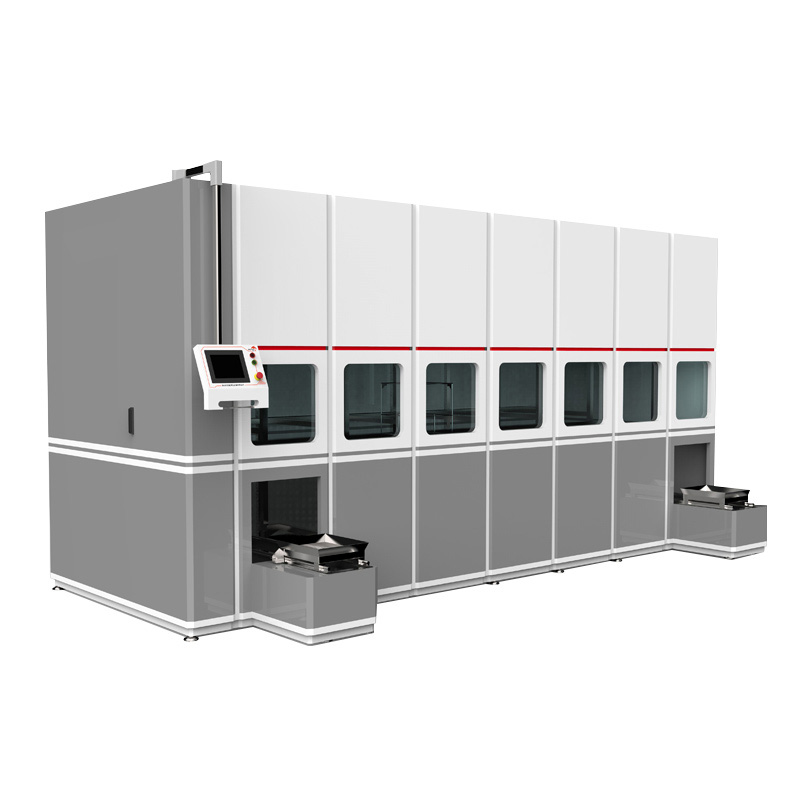
Taking the time to implement these troubleshooting strategies will not only resolve immediate problems but also establish a foundation for operational excellence. Don’t hesitate—start troubleshooting today for a cleaner, more efficient future.