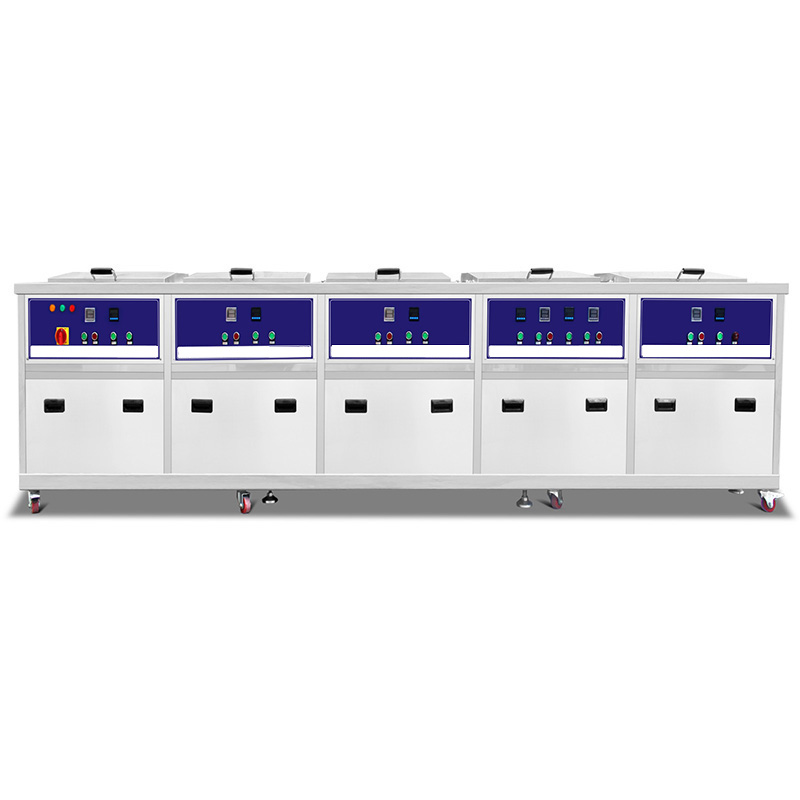
Understanding Ultrasonic Cleaning Technology
What is Ultrasonic Cleaning?
Ultrasonic cleaning uses high-frequency sound waves to produce cavitation bubbles in a cleaning solution, effectively removing dirt and contaminants from surfaces of various items.
Benefits of Using Industrial Ultrasonic Cleaners
- Efficient and thorough cleaning
- Safe for sensitive components
- Environmentally friendly cleaning solutions
Step-by-Step Guide to Optimize Power and Frequency Settings
Step 1: Select Appropriate Cleaning Solution
Choose a cleaning solution compatible with the materials being cleaned. Common types include aqueous solutions, solvents, or biodegradable cleaners.
Step 2: Adjust Frequency Settings
- Refer to the manufacturer's specifications for optimal frequency ranges.
- Lower frequencies (20-40 kHz) are good for heavy contamination.
- Higher frequencies (40-70 kHz) are suitable for delicate items to avoid damage.
Step 3: Set Power Levels
Adjust the power settings according to the type of item being cleaned:
- Low power for delicate items.
- Medium power for standard cleaning.
- High power for tough, heavily soiled components.
Step 4: Maintain Optimal Temperature
Using heated cleaning solution can significantly enhance cleaning efficiency:
- Set the temperature between 50-70°C for most cleaning tasks.
- Ensure the solution is safe for the materials being cleaned.
Step 5: Begin the Cleaning Process
Fill the tank with the cleaning solution, set the desired frequency and power levels, and start the ultrasonic cleaner. Allow sufficient time for cleaning, typically 5-30 minutes depending on the contamination level.
Step 6: Rinse and Dry Items
After cleaning, rinse items with distilled water to remove any residue and dry them thoroughly to avoid corrosion.
Required Tools for Ultrasonic Cleaning Optimization
- Industrial Ultrasonic Cleaner
- Compatible Cleaning Solutions
- Thermometer (for temperature checks)
- Power and frequency control panel
- Distilled Water (for rinsing)
- Microfiber cloths (for drying)
Common Mistakes to Avoid
- Using the wrong cleaning solution, which can damage items.
- Ignoring the frequency and power settings, leading to ineffective cleaning.
- Neglecting to rinse items thoroughly, which may leave residues.
In summary, by optimizing the power and frequency settings of your Industrial Ultrasonic Cleaner, you can achieve maximum cleaning efficiency. If you need high-quality ultrasonic cleaning solutions, consider exploring the options offered by RedCrown. For more details, visit RedCrown.