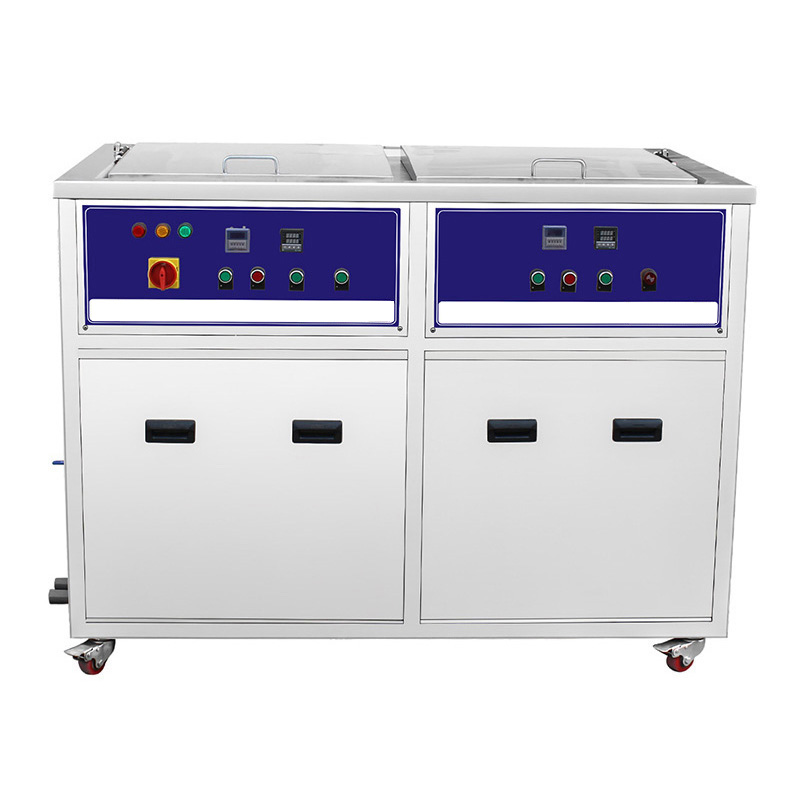
If you're looking to improve the efficiency of your cleaning processes with Industrial Ultrasonic Cleaners, you've come to the right place. I promise that by following these clear, actionable steps, you'll optimize your cleaning cycles, ensuring they are effective, time-saving, and aligned with industry standards. With a focus on real-world application, this guide will address common issues faced by operators, providing you with practical solutions to enhance performance.
To begin optimizing cleaning cycles in your industrial ultrasonic cleaners, one must embrace a structured approach that leverages effective methodologies. Let’s explore how to do this step-by-step.
Step 1: Analyze Your Cleaning Requirements
Assess the specific needs of your operation. This requires understanding the type of contaminants involved, the materials being cleaned, and the degree of cleanliness required, ideally referencing suitable testing standards such as ASTM or DIN. For example:
- Contaminants: Are you dealing with oils, dirt, or dust?
- Materials: Consider materials like stainless steel, plastics, or ceramics, which may require different ultrasonic frequencies for optimal results.
By identifying these factors, you can tailor your cleaning solutions accordingly.
Step 2: Determine Optimal Frequency and Power Settings
Industrial ultrasonic cleaners, like those from RedCrown, typically operate at frequencies ranging from 20 kHz to 400 kHz. Select the frequency that best aligns with your specific cleaning needs:
- Lower Frequencies (20-40 kHz): Effective for heavy-duty cleaning applications, such as removing thick grease or deposits.
- Higher Frequencies (80-120 kHz): More suitable for delicate items, ensuring precision cleaning without damage.
Adjusting power settings to an appropriate level is crucial. Optimal power settings can often achieve precision cleaning with a variance of 0.01mm on sensitive materials.
Step 3: Use the Right Cleaning Solutions
Selecting the proper cleaning solution enhances the cleaning cycle's efficacy. Avoid generic detergents; instead, opt for specialized detergents compatible with your cleaning requirements. Here are some suggestions:
- Alkaline Cleaners: Ideal for removing organic deposits.
- Acidic Cleaners: Useful for rust or mineral build-up.
Always ensure that any chemical used complies with health and safety regulations for your industry, and periodically evaluate the cleaning solution's performance against cleaning standards.
Step 4: Implement a Proper Loading Method
To maximize the effectiveness of your cleaning cycle, the arrangement of parts within the ultrasonic cleaner is essential. Follow these guidelines:
- Avoid Overloading: Ensure enough space between items to avoid hindered cavitation.
- Align Parallelism: Place items in a parallel orientation to enhance sound wave distribution.
Logical placement leads to uniform cleaning, significantly affecting the results.
Step 5: Monitor and Maintain Equipment
Regular maintenance of your industrial ultrasonic cleaner is non-negotiable. Here are key maintenance tasks:
- Tank Cleaning: Remove and clean the tank regularly to avoid contamination from previous cleaning solutions.
- Transducer Inspection: Periodically check the transducer's functionality, ensuring it's clear of debris and functioning optimally.
By adhering to a strict maintenance schedule, you can prevent issues and prolong your equipment's lifespan.
Anticipating Common Challenges
While optimizing cleaning cycles, be prepared for potential challenges:
- Inconsistent Results: If cleaning results vary, revisit frequency settings, cleaning solutions, and loading methods.
- Equipment Failure: Implement regular checks as discussed in Step 5 to avoid abrupt downtimes.
If you encounter persistent issues, consider consulting the manufacturer’s manual or contacting RedCrown’s technical support for tailored advice.
Leverage Additional Resources
To further improve your execution efficiency, consider utilizing online tools that assist with tracking cleaning cycle performance over time. Industry resources, technical manuals, and forums dedicated to ultrasonic cleaning technology can provide valuable insights.
Conclusion: Take Action Now
Now that you have a comprehensive guide on how to optimize cleaning cycles in industrial ultrasonic cleaners, it’s time to implement these steps in your operation, particularly with RedCrown’s innovative solutions. By following these strategies, you not only enhance productivity but also ensure quality compliance, addressing real problems that businesses encounter.
By taking immediate action, you can expect efficiency gains, improved cleanliness, and ultimately, better operational results. Here’s a quick recap of the key steps:
- Analyze cleaning requirements.
- Determine optimal frequency and power settings.
- Use the right cleaning solutions.
- Implement proper loading methods.
- Monitor and maintain your equipment diligently.
Enhance your cleaning outcomes and stay competitive in the industrial cleaning landscape. Optimize with RedCrown and watch as your cleaning cycles transform! For more information and resources, visit RedCrown.