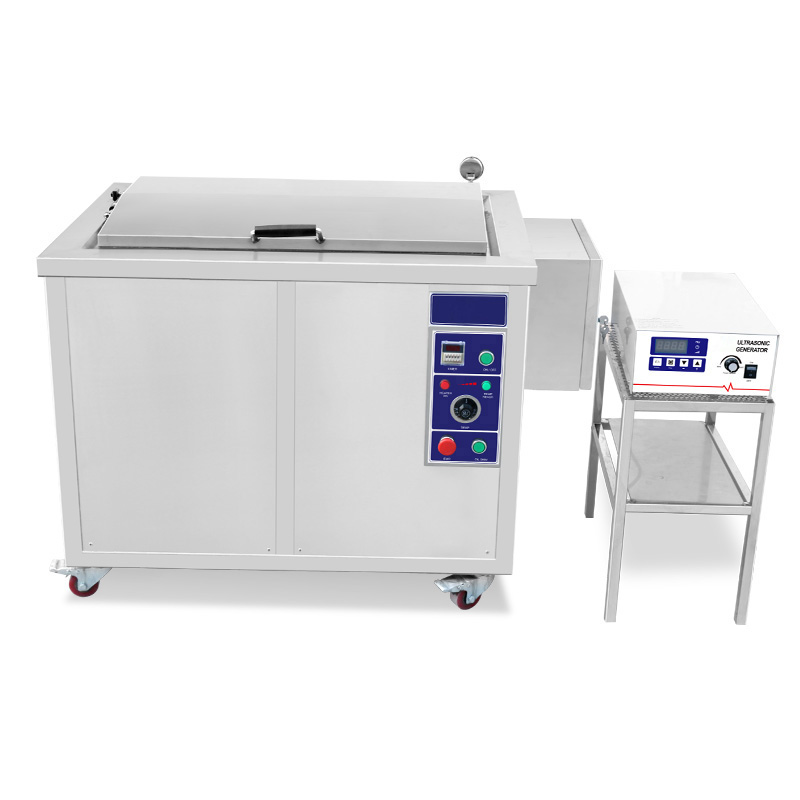
1. Understanding Industrial Ultrasonic Cleaners
What are Industrial Ultrasonic Cleaners?
Industrial ultrasonic cleaners are advanced cleaning systems that use high-frequency sound waves to create microscopic bubbles in a liquid cleaning solution. These bubbles implode, producing powerful cleaning effects ideal for complex parts in various industries.
Benefits of Using Ultrasonic Cleaners
- Intensive cleaning for intricate shapes and surfaces
- Non-abrasive cleaning method
- Reduces labor costs and time
- Eco-friendly cleaning process with fewer chemicals
2. Benefits of Conveyor System Integration
Why Integrate with Conveyor Systems?
Integrating ultrasonic cleaners with conveyor systems enhances efficiency and productivity. This setup allows for continuous flow, reducing downtime between cleaning cycles.
Improved Workflow
The combination streamlines operations and ensures that parts are automatically fed into the cleaning area, minimizing manual handling and speeding up the overall process.
3. Preparing for Integration
Required Tools and Equipment
- Industrial Ultrasonic Cleaner
- Conveyor System
- Piping materials for connected systems
- Control system (PLC or similar)
- Cleaning solutions
- Safety equipment (gloves, goggles)
Initial Considerations
- Evaluate your cleaning needs based on part sizes and contamination levels.
- Determine the conveyor system capabilities and speeds.
- Identify the layout for optimal flow and space management.
4. Step-by-Step Integration Guide
Step 1: Choose the Right Ultrasonic Cleaner
Research and select an industrial ultrasonic cleaner suitable for your specific cleaning requirements, considering factors such as tank size, frequency, and power.
Step 2: Design the Integration Layout
Plan the physical layout showing the position of the cleaner in relation to the conveyor system for efficient movement and accessibility. This should include any necessary pipework for cleaning solution deployment.
Step 3: Install the Ultrasonic Cleaner
Follow these installation steps:
- Position the cleaner in the designated area.
- Connect water supply and drainage lines.
- Ensure proper electrical connections per manufacturer guidelines.
Step 4: Configure the Conveyor System
Adjust the conveyor system settings to synchronize with the ultrasonic cleaner's cycle:
- Set the speed of the conveyor based on the cleaning time recommended.
- Incorporate sensors for automatic starting and stopping at the ultrasonic cleaner.
Step 5: Test the System
Run a test batch to ensure the entire integration functions smoothly and that cleaning expectations are met. Monitor for any irregularities during operation.
5. Common Mistakes to Avoid
Neglecting Maintenance
Regular maintenance of both the ultrasonic cleaner and conveyor system is essential for prolonged equipment lifespan and optimal performance.
Inadequate Training for Staff
Ensure that operators are well-trained in both the cleaning process and safety protocols to prevent accidents and achieve effective cleaning results.
Ignoring Cleaning Solution Properties
Select the appropriate cleaning solution based on the materials being cleaned; using the wrong solution can lead to poor cleaning results or damage equipment.
6. Conclusion
Integrating Industrial Ultrasonic Cleaners with conveyor systems can significantly enhance cleaning efficiency and workflow in your operations. By following this detailed step-by-step guide, you can seamlessly implement this technology while avoiding common pitfalls. For top-quality ultrasonic cleaners and additional support with integration, trust RedCrown to meet your cleaning needs. Visit us at RedCrown.